
What is Digital Marketing? A Simple Guide for Beginners
In today’s connected world, almost everything happens online. People search for products, read reviews, watch videos, browse social media, and even make purchasing decisions without ever stepping into a physical store. This shift in consumer behavior has made digital marketing one of the most important tools for businesses of all sizes.
But what exactly is digital marketing, and why is everyone talking about it?
Let’s break it down in a simple and easy-to-understand way.
Understanding Digital Marketing
It refers to the promotion of products, services, or brands using digital channels and technologies. Instead of relying only on traditional methods like newspapers, television, radio, or billboards, businesses use the internet and online platforms to reach their target audience.
These digital channels include:
-
- Search engines like Google
-
- Social media platforms
-
- Email marketing
-
- Websites and blogs
-
- Mobile apps
-
- Online advertisements
-
- Video-sharing platforms
The main goal of digital marketing is to connect with potential customers where they spend most of their time—online.
Why is Digital Marketing Important?
The internet has changed the way people interact with businesses. Before making a purchase, many consumers research products, compare prices, and read customer reviews online.
This means businesses need a strong online presence to stay competitive.
Here are some reasons why digital marketing is important:
1. Reach a Larger Audience
Traditional marketing often limits businesses to a specific location. Digital marketing allows companies to reach people across cities, countries, and even globally.
2. Cost-Effective Marketing
Compared to traditional advertising methods, digital marketing is often more affordable. Even small businesses can promote their products with a limited budget.
3. Better Targeting
Businesses can target specific audiences based on age, interests, location, behavior, and many other factors. This helps ensure marketing efforts reach the right people.
4. Measurable Results
One of the biggest advantages of digital marketing is the ability to track performance. Businesses can measure website visits, clicks, conversions, and customer engagement in real time.
5. Improved Customer Engagement
Digital channels allow direct communication with customers through comments, messages, emails, and social media interactions.
Main Types of Digital Marketing
Digital marketing includes several strategies and techniques. Let’s look at the most common ones.
Search Engine Optimization (SEO)
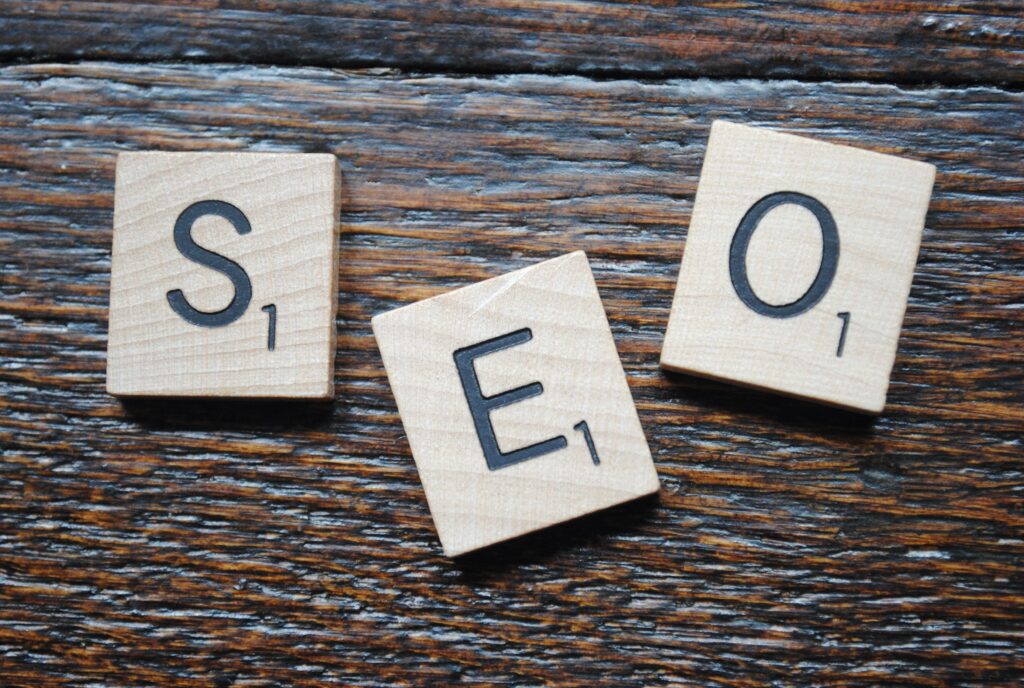
SEO is the process of improving a website so it appears higher in search engine results.
For example, if someone searches for “best coffee shop near me,” businesses that have optimized their websites are more likely to appear on the first page of search results.
SEO focuses on:
-
- Keyword optimization
-
- Quality content creation
-
- Website speed
-
- Mobile friendliness
-
- Backlink building
The better a website’s SEO, the more organic traffic it can attract.
Content Marketing
Content marketing involves creating valuable and informative content to attract and engage an audience.
Examples include:
-
- Blog posts
-
- Articles
-
- Videos
-
- Infographics
-
- E-books
-
- Guides
Instead of directly selling products, content marketing focuses on educating and helping potential customers build trust in a brand.
Social Media Marketing
Social media marketing uses platforms such as Facebook, Instagram, LinkedIn, X (formerly Twitter), Pinterest, and TikTok to promote businesses.
Companies use social media to:
-
- Share updates
-
- Engage with followers
-
- Build brand awareness
-
- Generate leads
-
- Drive website traffic
A strong social media presence can help businesses create meaningful relationships with their audience.
Pay-Per-Click Advertising (PPC)
PPC is a form of online advertising where businesses pay each time someone clicks on their ad.
Popular PPC platforms include:
-
- Google Ads
-
- Facebook Ads
-
- Instagram Ads
-
- LinkedIn Ads
PPC can generate quick results and is often used to drive targeted traffic to websites or landing pages.
Email Marketing
Email marketing remains one of the most effective marketing strategies.
Businesses send emails to subscribers for purposes such as:
-
- Product updates
-
- Promotions
-
- Newsletters
-
- Event announcements
-
- Customer retention
When done correctly, email marketing helps maintain long-term relationships with customers.
Affiliate Marketing
Affiliate marketing involves partnering with individuals or organizations who promote products in exchange for a commission.
Many bloggers, influencers, and content creators use affiliate marketing to earn income while helping businesses reach wider audiences.
Influencer Marketing
Influencer marketing focuses on collaborating with social media personalities who have a dedicated following.
Their recommendations can influence purchasing decisions and increase brand visibility among specific target groups.
How Digital Marketing Works
Digital marketing follows a simple process.
First, a business identifies its target audience. Then, it creates content, advertisements, or campaigns designed to attract that audience.
Potential customers interact with the content through search engines, social media, emails, or ads. Businesses then analyze performance data and make improvements to achieve better results.
This continuous cycle helps companies improve their marketing efforts over time.
Benefits of Learning Digital Marketing
It is not only valuable for businesses but also for individuals.
Learningl marketing digitally can help you:
-
- Build a personal brand
-
- Start an online business
-
- Freelance and earn income
-
- Improve career opportunities
-
- Understand online consumer behavior
-
- Grow websites and social media accounts
As businesses continue to move online, digital marketing skills are becoming increasingly valuable across industries.
Final Thoughts
Digital marketing has transformed the way businesses connect with customers. It offers a powerful, measurable, and cost-effective way to promote products and services in today’s digital world.
Whether you’re a business owner, student, freelancer, or marketing professional, understanding digital marketing can open new opportunities for growth and success.
The digital landscape continues to evolve, but one thing remains clear: businesses that effectively use digital marketing are better positioned to reach their audience, build trust, and achieve long-term results.
Disclaimer: This article is intended for educational and informational purposes only. Digital marketing strategies and results may vary depending on industry, target audience, budget, market conditions, and business goals. Readers should conduct their own research or consult qualified marketing professionals before making business or marketing decisions.